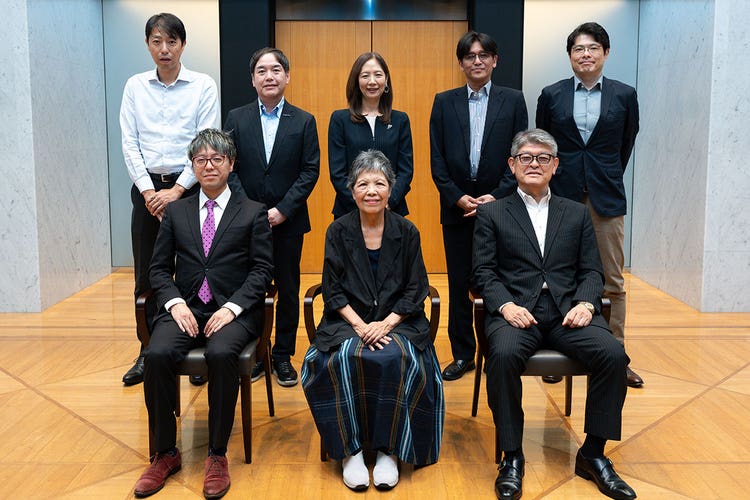
Note:This dialogue was held in September 2026.
NEC has established the NEC Sustainability Advisory Committee as a platform for obtaining advice and insights from outside experts on its sustainability management initiatives. Through these discussions, NEC seeks to validate the direction of the NEC Group, enhance its sustainability practices, and strengthen sustainable value creation.
Beginning in fiscal year ending March 2027, the Committee has evolved into a platform for more action-oriented dialogue that supports the practical implementation of sustainability management. To broaden perspectives and deepen discussions on changes in technology, industry, and society, the Committee is now jointly convened with the Sustainability Advisory Board of the International Institute for Socio-Economic Studies (IISE), an independent think tank of the NEC Group.
The 10th NEC Sustainability Advisory Committee, held jointly with the first IISE Sustainability Advisory Board meeting under this new framework, focused on social acceptance, a key factor in creating value in an era of accelerating digitalization and AI adoption. Participants discussed how social acceptance can be assessed and incorporated into business and management strategies, as well as how such efforts can strengthen engagement with investors and other stakeholders.
At the opening of the meeting, Chair Kumi Fujisawa and CFO Kunikazu Amemiya outlined the objectives of the renewed Committee, and CEVP Norihiko Kimura shared NEC's approach to fostering social acceptance through its self-sovereign identity solutions under BluStellar.
Discussions centered on the following themes:
- Social acceptance of new markets and societal transformation driven by digital technologies and AI
- The contribution of social acceptance considerations to business and management strategy, and how such contributions should be evaluated
【Participants】
Yukiko Furuya, Advisor, CSO Network Japan
Hiroyuki Horii, Senior Advisor, Sumitomo Mitsui Trust Asset Management Co., Ltd.
Norihiko Kimura, Corporate Executive Vice President (CEVP)
Ikuo Matsuhashi, Corporate Executive (CoEX)
Kosuke Hideshima, Senior Director
Purpose of the Renewed NEC Sustainability Advisory Committee
Kumi Fujisawa, Chair
IISE identifies societal challenges through the lenses of both citizens and society, while maintaining an independent perspective. By transforming insights into visions for the future and collaborating with a diverse range of organizations and opinion leaders, IISE seeks to foster shared understanding and create new social value.
Understanding environmental and social impacts through a multi-stakeholder lens is an essential step toward implementing innovation in society. To further strengthen this process, IISE established its Sustainability Advisory Board as a platform for obtaining diverse external perspectives on social acceptance and launched this joint dialogue with NEC's Sustainability Advisory Committee.
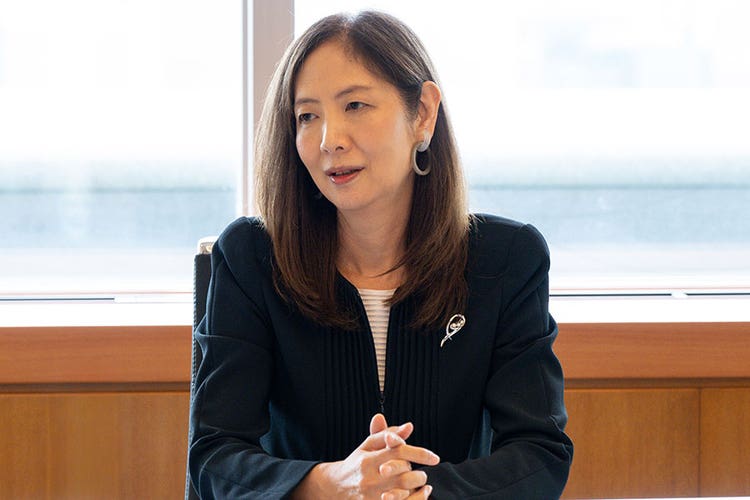
Kunikazu Amemiya, CFO
As emerging technologies continue to drive a paradigm shift in society, NEC believes it is important to view sustainability not only as a means of managing risk, but also as a way of addressing our customers' management challenges and areas of concern, while strengthening NEC's ability to provide value-added proposals and create new business opportunities.
To achieve this, it is necessary not only to assess the impact that products and services may have on customers, end users, and the environment, but also to understand how they are perceived through dialogue with a diverse range of stakeholders.
With this in mind, this year's discussion centered on the idea that value creation that incorporates social acceptance can contribute to a more prosperous society undergoing a paradigm shift, while enhancing NEC's business strengths and opportunities, as well as strengthening trust in NEC among society at large.
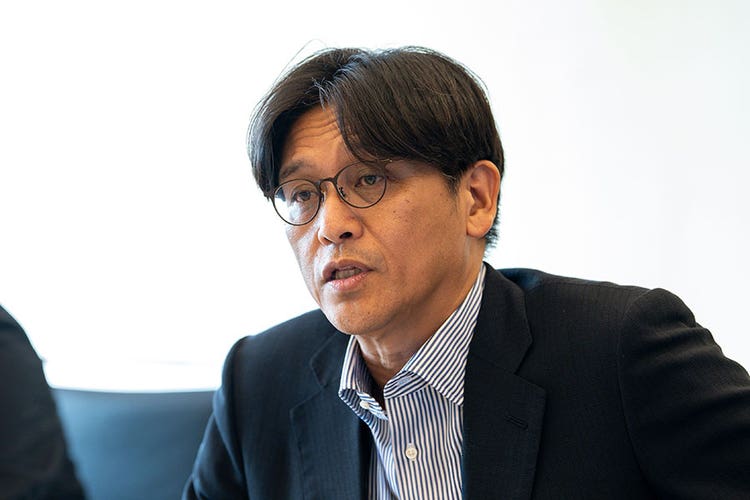
Social Acceptance of Self-Sovereign Identity Solutions under BluStellar
Norihiko Kimura, CEVP
BluStellar builds NEC's longstanding strengths in quality, safety, security, and compliance while also introducing governance frameworks and guardrails suited to the AI era. In addition, by incorporating the perspectives of users and society into the value creation process, NEC aims to deliver systems and services that are broadly accepted by society.
However, technological innovation can sometimes advance faster than legal and regulatory frameworks. To create new business opportunities through technological transformation, companies must go beyond risk mitigation and engage with diverse stakeholders to understand societal expectations and build frameworks that support social acceptance together with our customers.
One example is NEC's self-sovereign data platform, which enables individuals to manage their own data and decide what information to share and with whom. By leveraging Decentralized Identifiers (DIDs) and Verifiable Credentials (VCs), NEC aims to protect privacy and individual choice while securely sharing only necessary information, thereby improving convenience for users and expanding opportunities for service providers.
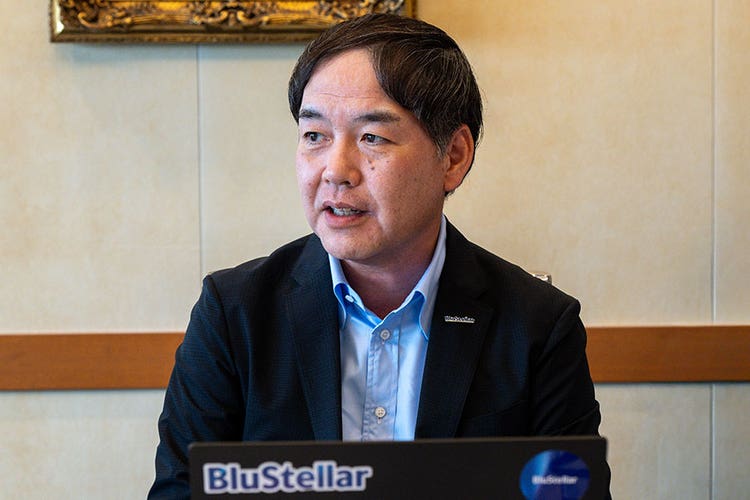
Understanding Social Acceptance through Dialogue with Diverse Stakeholders
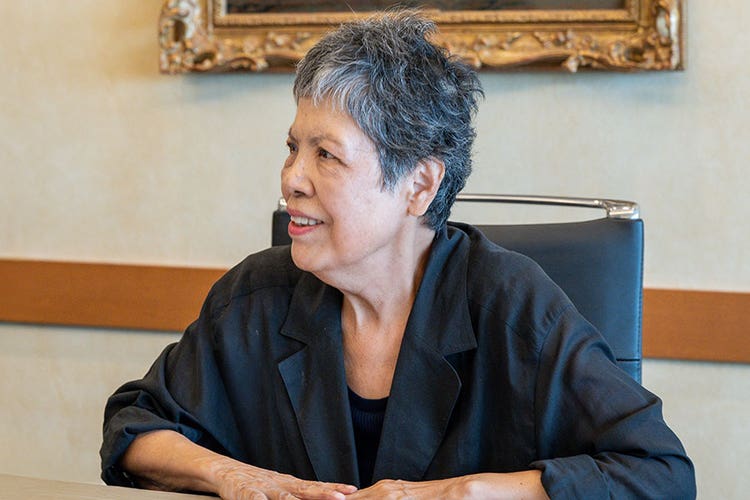
Yukiko Furuya
Companies should identify risks not only their own perspective, but also the perspectives of users, members of the public, and other stakeholders. The purposes of services and the ways in which data is used should be communicated clearly and concretely in a manner that is readily understandable to ordinary users. It is also necessary to go beyond merely obtaining formal consent and ensure that users are genuinely able to make informed choices.
Dialogue should be conducted on multiple occasions and designed in a way that enables participants to consider the issues as matters that directly concern them.
Ryuma Shineha
Depending on one's perspective, a best-case scenario for some stakeholders may represent a worst-case scenario for others. Continuous dialogue is therefore essential, including discussions about low-probability events that could have significant impacts. Through such engagement, organizations can identify common values and concerns across differing viewpoints.
AI is a foundational technology, and many implementation challenges stem from longstanding issues in fields such as disaster prevention, education, and healthcare. Organizations should therefore collaborate not only with AI specialists but also with practitioners and experts who possess deep knowledge of the domains in which AI is applied.
Building Trust through Transparent Disclosure
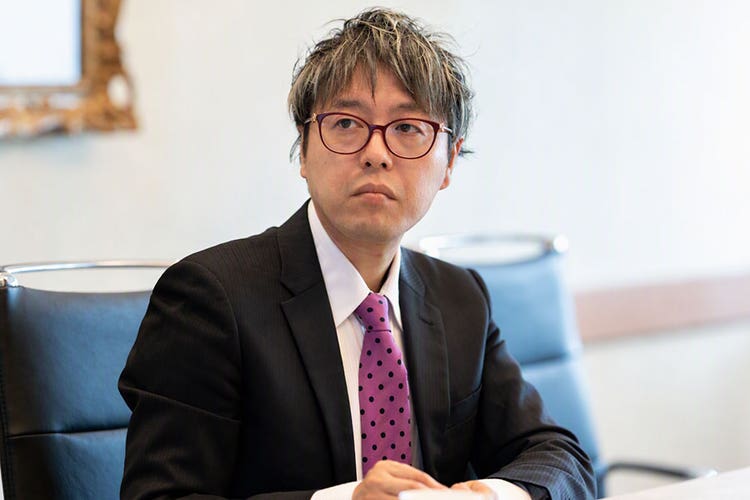
Hiroyuki Horii
When technology drives a paradigm shift in society, it may take considerable time for outcomes to materialize. In such cases, it is helpful for investors to understand the likelihood of success, as well as the expected timing and scale of the resulting outcomes. Ultimately, however, trust supported by transparent disclosure remains the most important factor.
Verifying Social Acceptance as a Foundation for a Prosperous Digital and AI Society and for Corporate Trust
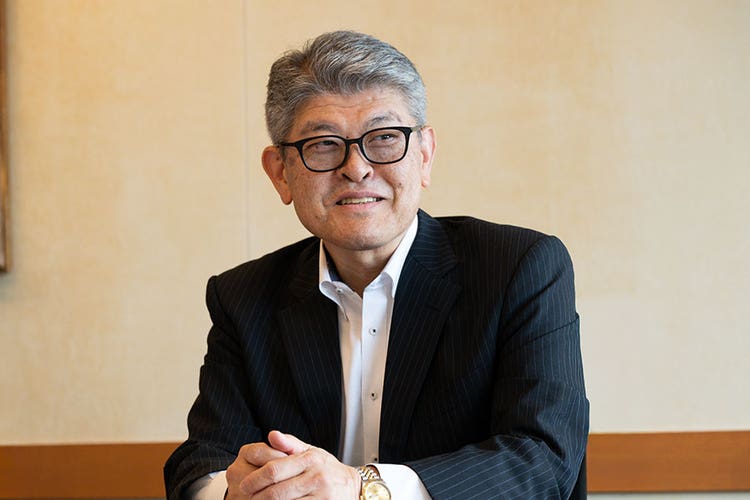
Norihiko Kimura, CEVP
The discussion reaffirmed the importance of governance, transparency, and accountability in advancing AI adoption. It also highlighted the need to assess AI's impact from multiple perspectives, including privacy protection, inclusion, environmental sustainability, and economic value.
We also recognized the importance of demonstrating, through concrete use cases and examples, the value that can be created by combining AI with industry expertise and domain knowledge. In addition, it is essential to communicate not only the value created, but also potential risks in an appropriate and transparent manner.
Kosuke Hideshima, Senior Director
Building trust requires alignment between the issues that companies recognize and those that stakeholders consider important. Continuous dialogue with people from diverse backgrounds plays an important role in confirming this alignment, and is essential not only for building trust but also for improving products and services themselves.
Ikuo Matsuhashi, CoEX
The discussion underscored the importance of clarifying the criteria used to assess challenges and risks, as well as determining what information should be prioritized for disclosure.
Kunikazu Amemiya, CFO
The discussion reaffirmed that NEC cannot fully identify every challenge and risk through internal perspectives alone. Continuous engagement with diverse stakeholders provides valuable new insights and perspectives.
By sustaining such dialogue, NEC can strengthen trust and enhance the value it creates for society. When business teams understand and put into practice the importance of considering users, society, and the environment, sustainability becomes not only a means of addressing social challenges but also a source of competitive advantage and business growth.
NEC will continue contributing to the resolution of social challenges while pursuing sustainable growth.